
You can contact us 24/7 050 932 7577
Our Featured Products
Every week you can find the best discounts here.
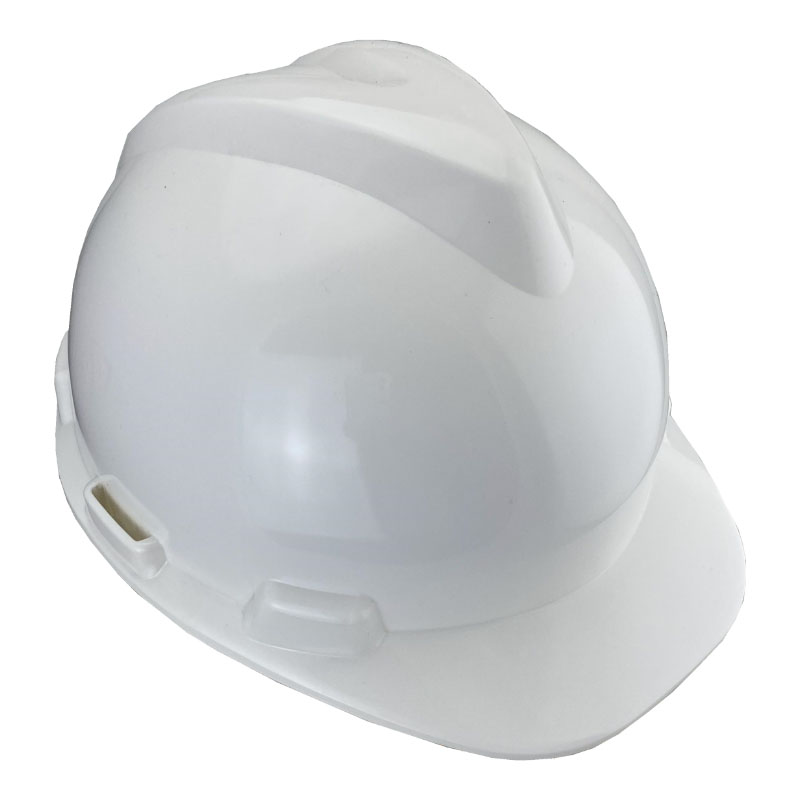
SAFETY HELMET – SH104-01
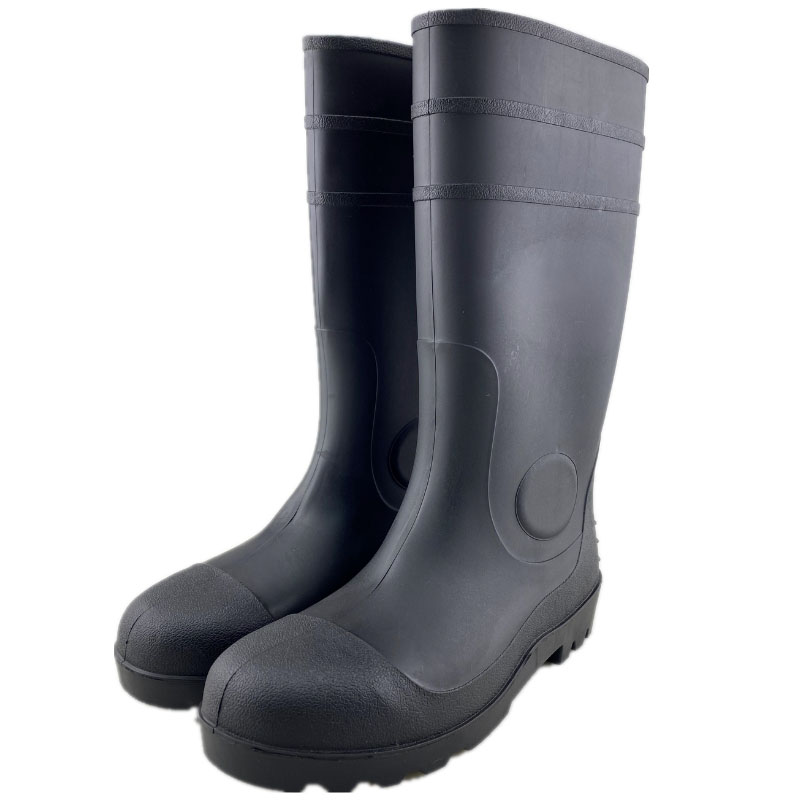
SAFETY GUMBOOTS – SS032-BB
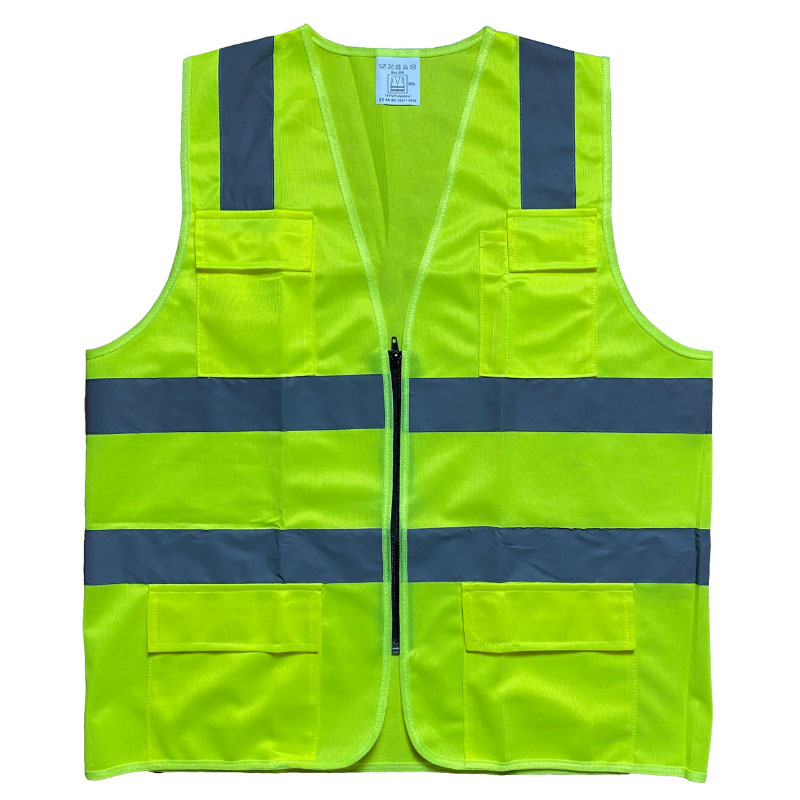
SAFETY VEST – RF040
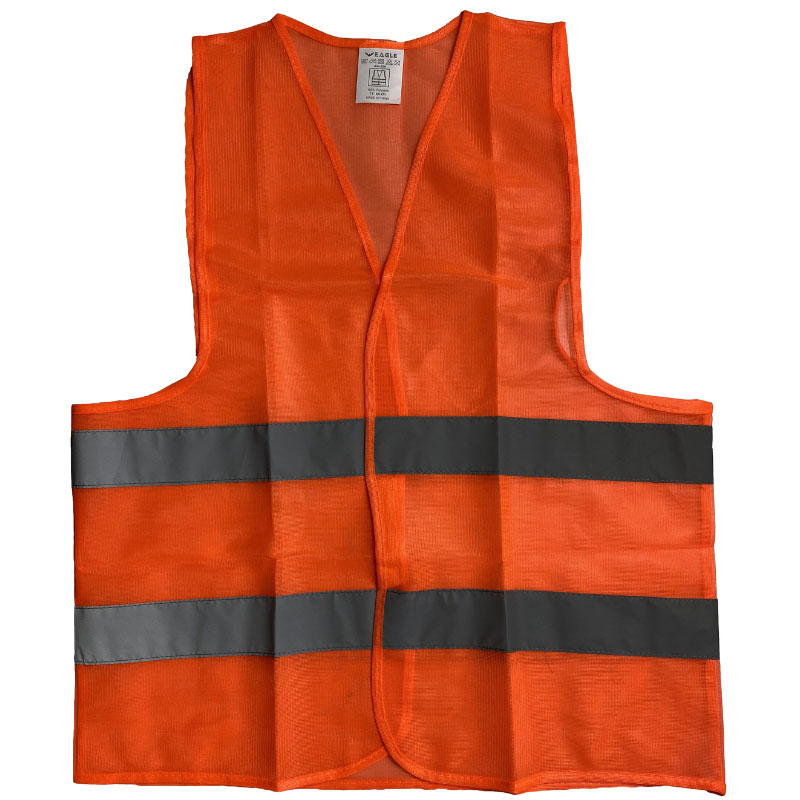
SAFETY VEST – RF003
SAFETY VEST – RF005-60-O
Live Roulette in Maryland – Current Landscape
Since the Maryland Gaming Commission opened the door to online casino games in 2021, the state has become a notable hub for live‑dealer roulette. By 2024, the game accounts for roughly 12% of all wagers in the regulated iGaming sector, amounting to an estimated $480 million in gross bets. The rise is driven by a solid regulatory framework, high‑definition streaming, and a mix of seasoned gamblers and casual players who crave real‑time interaction.
Regulatory Landscape and Licensing
The Maryland Gaming Commission (MGC) sets the bar high. Operators must pass a Technology Assurance Program that guarantees RNG integrity, secure data handling, and auditability. Responsible‑gaming tools – self‑exclusion, deposit limits, real‑time monitoring – are mandatory, as are quarterly financial disclosures and AML compliance.
Wa.me lists accepted payment methods such as Apple Pay and Google Wallet. Mobile users enjoy low latency when playing live roulette maryland on 5G networks: Maryland. Licensing costs are steep: $200 000 upfront, $150 000 yearly, plus a 5% tax on net casino profits. Only eight providers hold live‑roulette licenses, creating a tight competitive field where innovation and player experience become key differentiators.
Player Demographics and Behavior
| Segment | % of Players | Avg. Monthly Spend |
|---|---|---|
| High‑rollers (> $5 k) | 12% | $12 k+ |
| Mid‑tier ($500-$5 k) | 45% | $800-$4 k |
| Casual (< $500) | 43% | <$400 |
The 25‑44 age group leads with 55% of wagers. Female participation rose to 38% in 2023, reflecting broader industry shifts toward inclusivity. Mobile users dominate sessions (53%) but desktop players place larger bets and employ more complex strategies.
Technology Adoption: Desktop vs Mobile
Live roulette relies on 1080p, 60fps streams from studio‑grade cameras.5G has largely erased latency on phones, making mobile gameplay smooth. Desktop interfaces feature multi‑pane layouts for live footage, betting, and balance tracking, while mobile apps streamline the process into a single pane.
Payment integration is uniform across devices, supporting Apple Pay, Google Wallet, and ACH, though mobile wallets see a 30% higher uptake among younger players.
Casino Platform Comparison
| Operator | Studios | Bet Limits | Payout Speed | Bonus |
|---|---|---|---|---|
| RoyalBet | 3 | $5-$10 k | 24 h | 20% welcome |
| LuckySpin | 2 | $10-$20 k | 48 h | 25% first deposit |
| SpinCity | 1 | $15-$50 k | 12 h | 30% high‑roller bonus |
| CasinoUSA | 4 | $5-$5 k | 24 h | 15% loyalty points |
Key variables are the number of live‑dealer studios (affecting game variety), bet limits (attracting high‑rollers), payout speed (player satisfaction), and bonus structures (acquisition/retention).
Betting Mechanics and House Edge
| Variant | Zeroes | House Edge |
|---|---|---|
| European | 0 | 2.70% |
| American | 0, 00 | 5.26% |
Advanced bets – street (11:1), corner (8:1), split – offer better returns for disciplined players. A Maryland Gaming Analytics Center study found a 9% higher average return for those using advanced bets versus basic even/odd choices.
Impact of Live Dealer Technology
Seeing a dealer perform each spin boosts perceived authenticity. A 2023 survey showed 68% of Maryland players felt more comfortable betting larger sums on live roulette than on RNG‑based versions. Live tables run 6 AM-11 PM ET; operators counter off‑peak dips with late‑night sessions and rotating dealers. Dealer training, continuous camera monitoring, and strict compliance checks prevent cheating. Since 2022, live dealer tables have lifted overall wagering by ~18%, especially among high‑rollers who value the human element and quicker payouts.
Future Outlook
| Trend | Potential Impact |
|---|---|
| Augmented Reality (AR) | Overlay odds and stats on screen, Minnesota enhancing decision‑making |
| Blockchain‑based randomness | Verifiable RNG boosts transparency |
| Tiered licensing | Lower fees for high‑compliance operators, encouraging new entrants |
| Market consolidation | Expected reduction from eight to five providers by 2027 due to studio costs |
| Cross‑platform expectations | Intuitive, low‑latency UI essential to retain younger players |
Global benchmarks show that states like Nevada and New Jersey have already begun testing AR overlays and blockchain RNG. Maryland’s regulatory evolution may mirror these experiments, offering operators a chance to differentiate through technology while staying compliant.
Practical Takeaway for Operators
Success hinges on balancing strict compliance with cutting‑edge technology and dual‑device optimization. By investing in reliable live‑dealer infrastructure, offering transparent RNG solutions, and tailoring experiences for both mobile and desktop users, operators can position themselves at the forefront of Maryland’s evolving live‑roulette market.


