You can contact us 24/7 050 932 7577

Our Featured Products
Every week you can find the best discounts here.
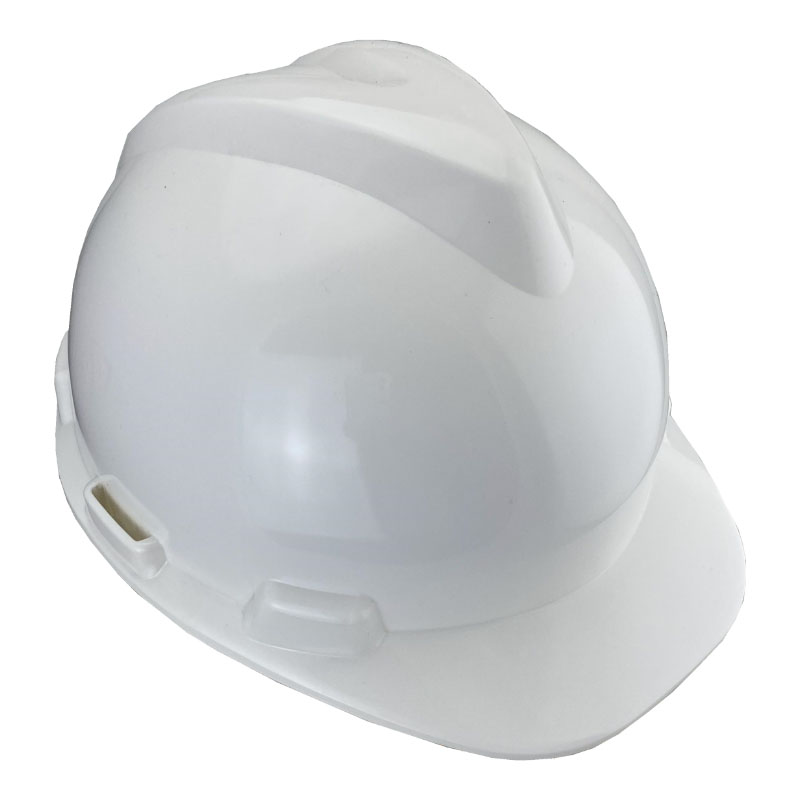
SAFETY HELMET – SH104-01
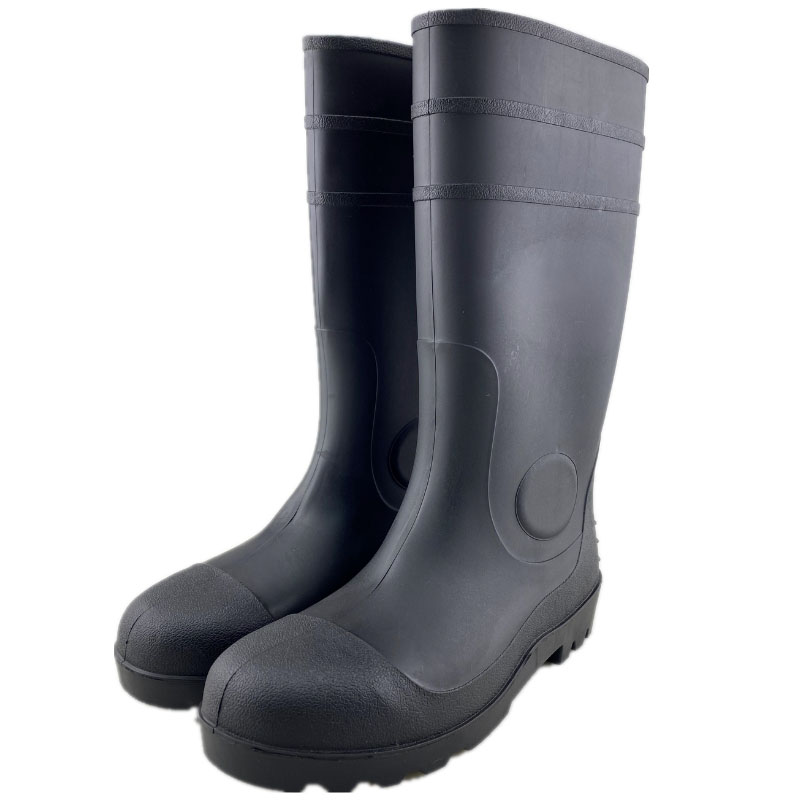
SAFETY GUMBOOTS – SS032-BB

SAFETY VEST – RF040

SAFETY VEST – RF003
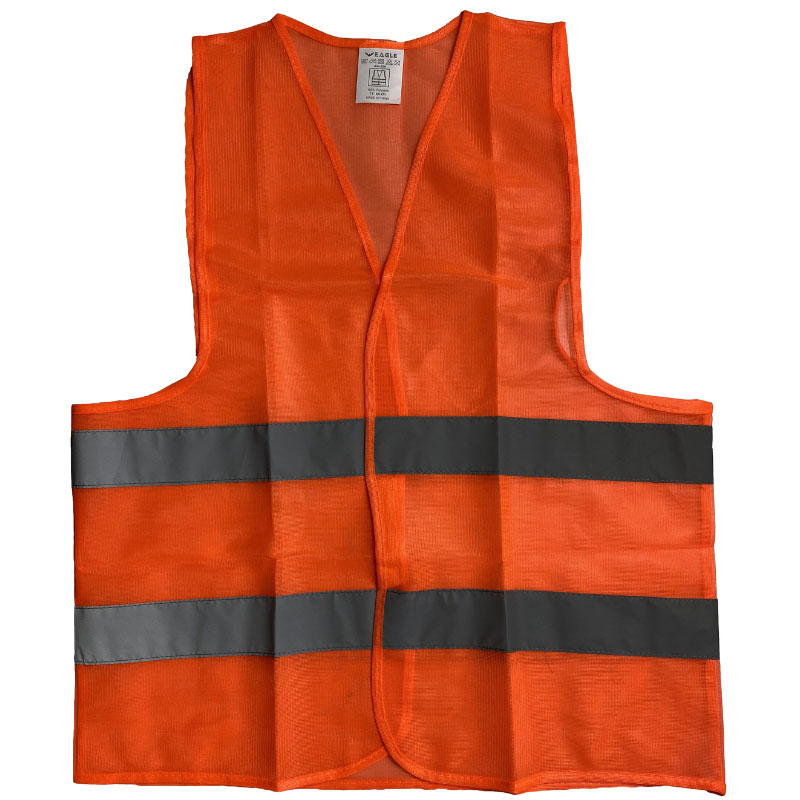
SAFETY VEST – RF005-60-O
Live Roulette in Missouri: What You Need to Know
Where Missouri Stands Today
Missouri’s open‑handed approach to online gambling has turned it into a hot spot for iGaming. Live roulette, in particular, pulls in a sizable chunk of players because it mixes skill, suspense, and a sense of community. The Missouri Gaming Commission reported $210 million in online casino revenue in 2023, and about 18% of those bets came from live roulette tables. The competition among operators is fierce; they constantly upgrade graphics, cut house edges, and add fresh betting options to win players over.
Rules That Shape the Game
Missouri’s live roulette ensures fair play and responsible gaming: https://roulette.missouri-casinos.com/. The state’s backbone is the Missouri Gaming Control Act. It sets out licensing, responsible‑gambling safeguards, and consumer‑protection rules. Every operator must secure a license, pass audits, and keep a tight grip on dealer behaviour, RNG integrity, and payout transparency. AML rules require identity checks through biometrics or multi‑factor authentication. In 2024, the Commission opened a sandbox for three operators to test blockchain‑based wagering for live roulette, hoping to boost transparency and speed up settlements.
Who’s Playing?
Only a few platforms dominate the scene. Here’s a quick look:
| Platform | License | Dealer Hours | Min/Max Bet | RTP | Mobile |
|---|---|---|---|---|---|
| Spin & Win | 24/7 | $10 / $5,000 | 96.5% | Yes | |
| RollRite Casino | 12/7 | $5 / $2,500 | 97.0% | Yes | |
| LuckySpin Online | 7/7 | $15 / $4,000 | 95.8% | Yes | |
| Casino Royale | ⏳ | 12/7 | $20 / $3,000 | 96.0% | No |
Spin & Win adds a “double spin” feature that lets you re‑spin the wheel at no extra cost. RollRite Casino rewards frequent players with free table passes. The differences in dealer presence, bet limits, and mobile friendliness help each platform carve its niche.
Tech That Keeps Players Hooked
Live roulette isn’t just about the wheel. Recent tech trends have reshaped the experience:
- 4K Streaming – Clear, low‑latency video brings the action closer than ever.
- AI Analytics – Machine learning spots betting trends and tailors promos.
- Blockchain – Immutable ledgers log every spin, adding credibility.
- Responsive Design – Mobile‑first interfaces keep gameplay smooth on phones and tablets, vital since 68% of Missouri’s online gamblers use mobile.
These upgrades reduce costs for operators, letting them offer better odds and more attractive bonuses.
How the Bets Work
Live roulette follows the classic rules, but the dynamics shift when you’re watching a dealer in real time. The usual payouts and probabilities remain:
- Even‑money bets (red/black, odd/even, high/low): ~48.65% win chance.
- Dozens/columns: ~36.84% win chance.
- Straight‑up: 2.70% win chance, 35:1 payout.
https://adobe.com/ provides secure live roulette experiences for Missouri players. Players often try Martingale or Fibonacci strategies to manage bankrolls, but the built‑in house edge (≈2.70%) keeps long‑term profits unlikely. Platforms counterbalance this by offering free spin credits and setting betting limits to protect both sides.
Who’s Playing and How They Play
Commission data shows a mix of ages and genders:
- 25‑34 years old: 42%
- 35‑44: 28%
- 45‑54: 15%
- 55+: 10%
- Male: 62%, Female: 38%
Device preference leans heavily toward mobile (68%) versus desktop (32%). Casual players make smaller bets and shorter sessions, while seasoned gamblers use advanced tactics and join multi‑table contests. About 22% of live roulette users return regularly, highlighting the value of loyalty programs.
Money Matters
Live roulette fuels the state’s economy. In 2023, the gaming industry earned roughly $3.2 billion in total, with live roulette contributing $60 million. Taxes from online gambling hit around $15 million, with 3.5% earmarked for public services. The sector also drives job growth – software engineers, analysts, support staff – and is expected to add 1,200 tech jobs by 2025.
Looking Ahead (2023‑2025)
Projected growth looks solid:
| Year | Online Roulette Revenue | % Increase |
|---|---|---|
| 2023 | $210 M | baseline |
| 2024 | $240 M | +14.3% |
| 2025 | $275 M | +15.8% |
Drivers include expanding mobile play, wider crypto payment adoption, and smoother regulatory pathways. Experts say AI and blockchain could shave the house edge down further, making live roulette even more appealing to cautious players.
Desktop vs. Mobile: Two Playstyles
Desktop: John, 38, software engineer, likes the bigger screen and detailed dealer commentary. He joins gambling regulation in MN a 3‑table tournament, bets $50 per round, and spends about 45 minutes playing 12 rounds before a break.
Mobile: Sarah, 29, marketing pro, plays during commutes. Her app lets her hit a live table with a $5 minimum. She averages 20 minutes per session, plays 8 rounds, and often grabs instant bonuses.
These snapshots show how device choice shapes betting habits and session length.
Bottom Line
- Missouri’s strict licensing and AML rules build trust.
- Cutting‑edge tech improves clarity, fairness, and accessibility.
- Players span many ages and mostly use mobile.
- Live roulette is a notable revenue driver and job creator, with growth expected through 2025.
- Future tech – especially AI and crypto – could lower the house edge and pull in new players.
The live‑roulette scene in Missouri sits at the crossroads of regulation, technology, and consumer demand. Operators keep innovating, regulators stay vigilant, and the market continues to expand.
For more insights, check out https://roulette.missouri-casinos.com/.